
Article Gdansk - Westerplatte
The peninsula where World War II began

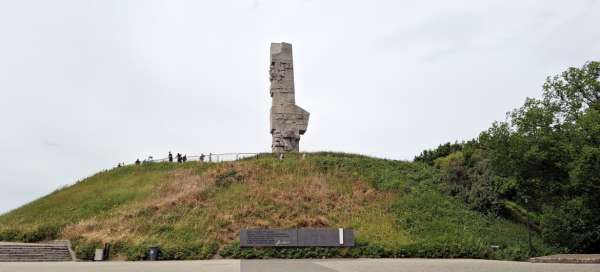



Westerplatte is a sandy peninsula in the north of Gdańsk, jutting out into the Baltic Sea. The site is famous as the scene of the opening battle of World War II.
The local memorial commemorates the opening battle of the war and, above all, the seven-day heroic resistance of several dozen Polish soldiers against overwhelming German superiority.
Opening battle of World War II
The German attack on this garrison on September 1, 1939, the Battle of Westerplatte, is considered the opening engagement and the beginning of World War II.
Before the war, the port of Gdańsk served both Polish and German ships, but the Poles were allowed to build a military material transshipment point at the entrance to it, namely on Westerplatte. And it was this transshipment point that became the scene of one of the first German attacks of World War II on September 1, 1939.

Shot down buildings
The remains of barracks, ammunition depots and trenches here show visitors the power of German bombing.

Place of worship
Westerplatte still serves as one of the most important places of remembrance where Poles commemorate the beginning and end of World War II. During the fighting, seventeen Polish defenders were killed and eighty other fighters were wounded. The losses of the German aggressors, on the other hand, amounted to four hundred fighters. Despite the lower number of fighters and despite poorer equipment, the Polish army was able to resist the German superior forces for seven days.

Heroic resistance
The small Polish garrison was attacked by overwhelmingly superior German ships and infantry, but the Polish soldiers held out for seven days to fight for Westerplatte. The tenacity and heroism of the Polish garrison at Westerplatte became, and remains, a symbol of the Polish nation's determination to defend their homeland.

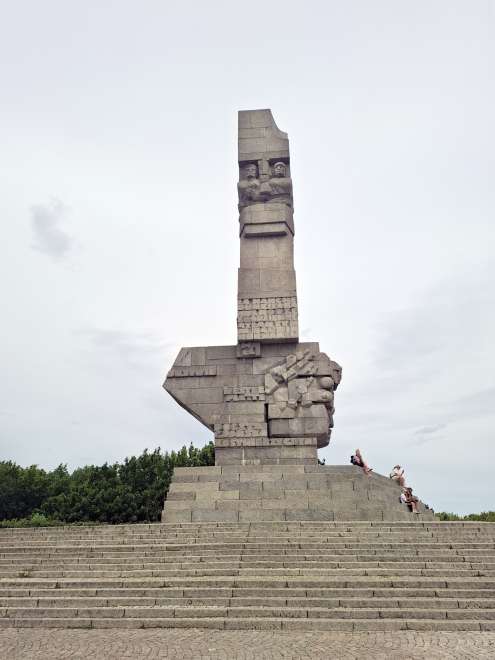
Westerplatte Memorial
A 25-meter-high monument made of 240 granite blocks was unveiled on the peninsula in 1966. High-ranking Polish officials often gather at the monument to commemorate significant events of World War II.
Visit of the Pope
Pope John Paul II also visited the site of the fighting in 1987. He told the young Poles that each of them has their own private Westerplatte within them. That is, that each of them has something they must fight for and cannot capitulate for,”

Never again war
The large sign „Never again war“ is the legacy of this place.

Transport to Westerplatte
The peninsula is located far from the city center by the sea. Therefore, it is necessary to use public transport buses or regular boat transport. The boat trip runs along the giant Gdańsk Shipyards.

Beaches
The peninsula also has beautiful sandy beaches, offering an interesting view of the Gdańsk port.

Wisłoujście Fortress
While sailing, you can see the well-preserved Wisłoujście Fortress near the mouth of one of the branches of the Vistula River.
The fortress was first built in 1308 in a strategic location at the mouth of the river into the sea, and its current, predominantly Gothic form was created during the 16th century.

Articles nearby




Giga List: Gdansk - what to see
Architecturally rich, Gdańsk on the Baltic coast is rightly considered one of the most beautiful cities in northern Europe. Once… continue reading


